First Person
Voices, video, and photos from Oxfam's fight against poverty
 First Person
Go meatless with lentil herb salad
Jocelyn Ramirez’s recipe combines lentils, earthy herbs, crunchy jicama, and tahini citrus dressing for a hearty vegetarian meal.
 First Person
Support farmers with Aarti Sequeira's chickpea rice pilaf
Rice is a staple crop that supports millions of families all over the world. When buying the rice for this recipe, look for a brand that guarantees small-scale farmers a fair price.
 First Person
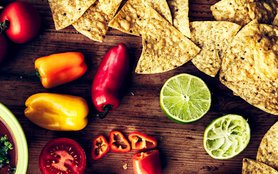
Reduce food waste with skillet chilaquiles
This favorite recipe contributed by Mary Sue Milliken and Susan Feniger of the Border Grill fosters creativity in the kitchen while reducing food waste